INDUSTRONIC meets Open Source

A post by our colleague Timur Achmetow, Development “Systems Software” Open source software (OSS) such as Android, Linux™ or Java™ is widely used these days and can be found in smartphones (Android), set-top boxes (Linux™, Java™), TVs (Linux™ kernel) or PCs (Linux™, Firefox®, OpenOffice™) for example. But what exactly is OSS? A software is called […]

Read more
Unicast, Multicast and Broadcast – an Introduction

A post by our colleague Robert Persch, Development “Systems Software” An industrial communication system must transmit diverse information – speech, signaling data and control data. There are cases when information is only sent to a single recipient (unicast) as well as situations where information is sent to several recipients at the same time (multicast or […]

Read more
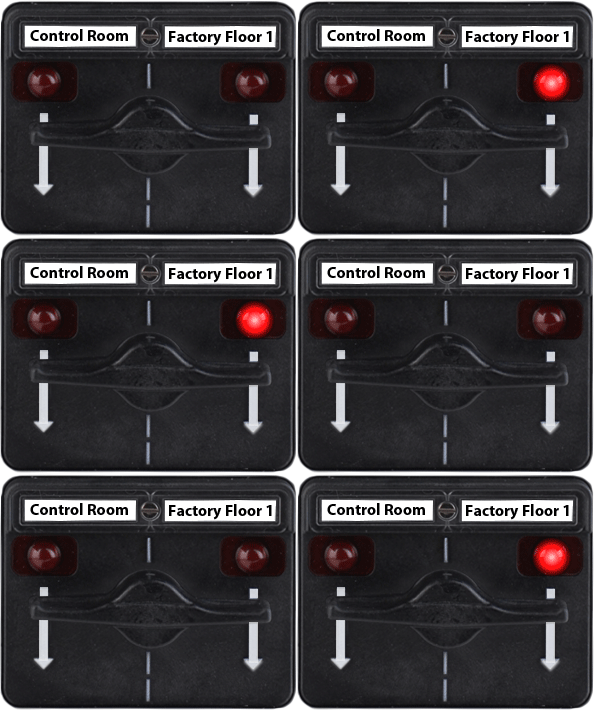
Key Signaling

In my article of February 27, 2014 about priority-controlled communication I already mentioned that visual signaling is important for Intercom and PA/GA systems so that the operators maintain the control over active functions and different system states at any time. In this article, I will introduce you to 4 basic signaling types by using momentary […]

Read more
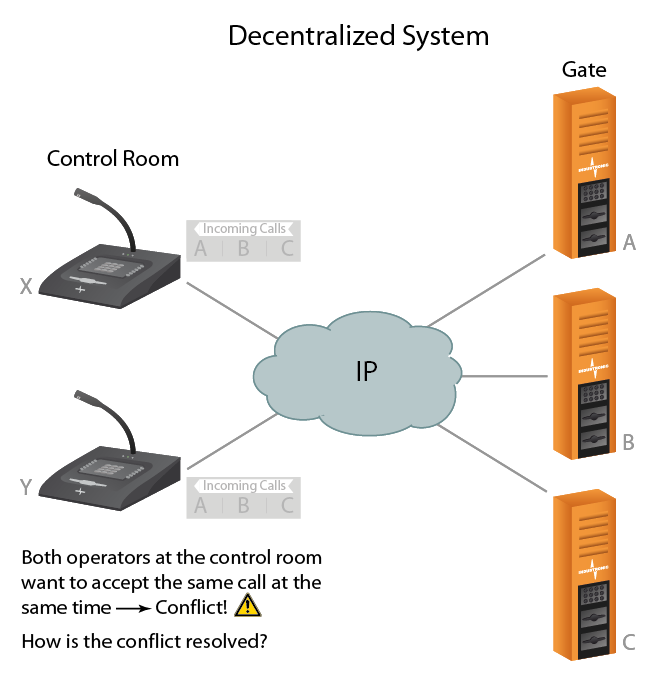
Centralized vs. Decentralized System Architecture

A post by our colleague Robert Persch, Development “Systems Software” Biased by the World Wide Web and common Ethernet structures there is a tendency to promote a completely decentralized architecture for IP-based industrial communication systems. The term “decentralized“ can refer to the location of the individual communication devices in the network, but usually it is […]

Read more
Priority-controlled Communication
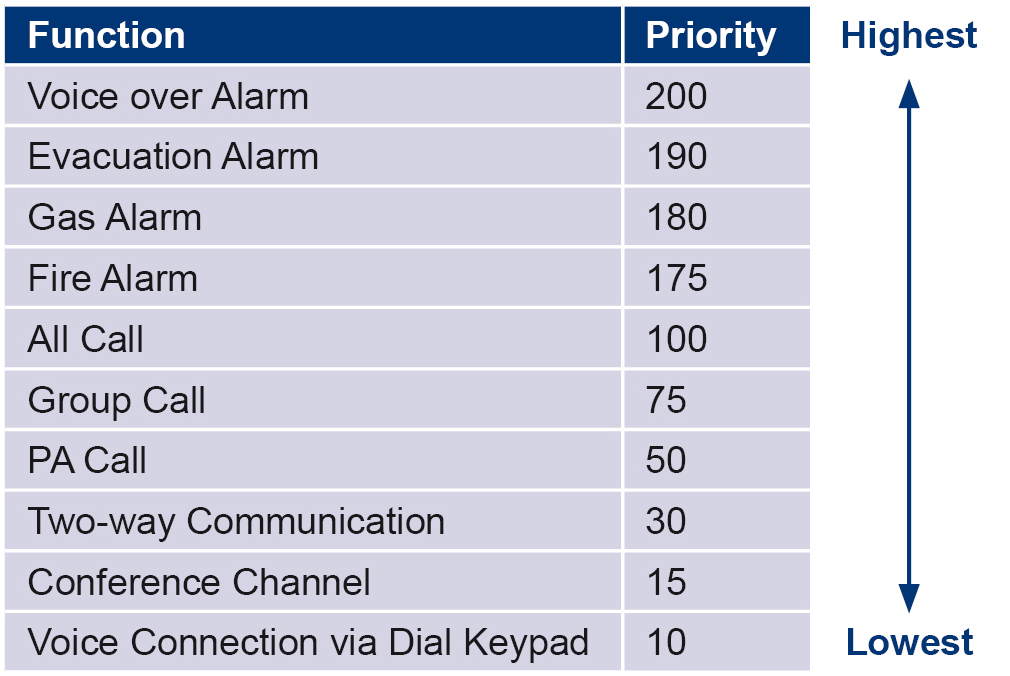
This picture shows a common way to assign priorities.

Industrial communication and public address systems provide various functions. They propagate life-saving information in dangerous situations, ensure fast and process-related communication and provide various interfaces (see Intercom and PA/GA). Communication procedures can be assigned with different priority levels so that the operators maintain control over the situation. This is the case, when several events occur […]

Read more
Intercom and PA/GA in One System – Exploit the Benefits

In the recent Intercom and PA/GA blog article, I already mentioned that you can combine the functionality of Intercom and PA/GA systems to provide one uniform system solution and thus be able to use synergy effects. But what are the advantages of such a system solution?

Read more
Access Panel – Modern Technology meets Heavy Industry

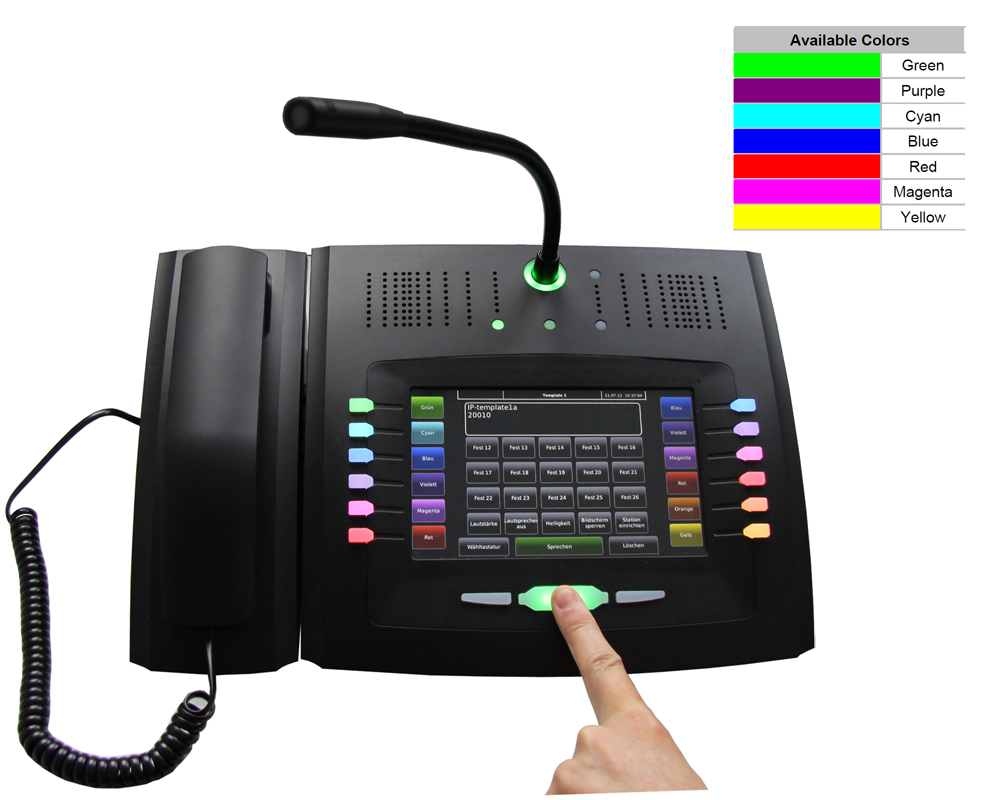
The harsh environment of heavy industry places high demands on the design, availability and the functions of an intercom station to ensure reliable communication. The Access Panel, the IP desktop intercom station from INDUSTRONIC, has been designed according to the latest state of the art and complies with the applicable safety regulations and demands of […]

Read more
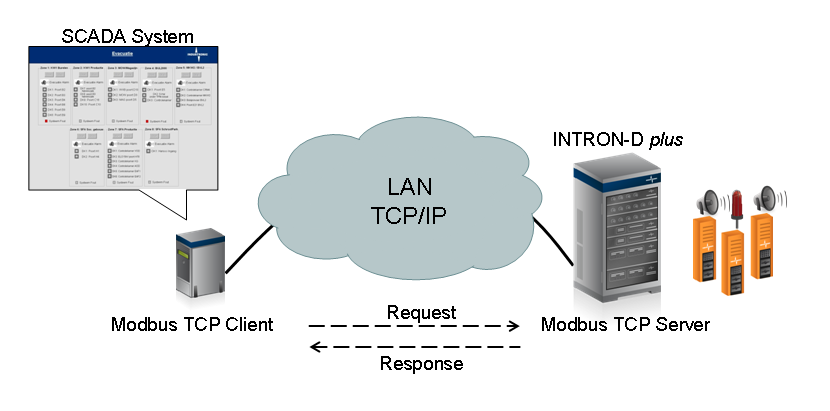
SCADA Controls Warnings and Alarms via Modbus TCP Interface

Modbus is a protocol for field bus systems using the Master/Slave principle. Modbus Slave and Modbus Master communicate with each other, whereas information is exclusively exchanged via (Modbus) registers. A Modbus Master reads the Registers of the Modbus Slave at regular intervals (polling) to be able to act on status changes.

Read more
Two-way Communication – The Classic Intercom Function

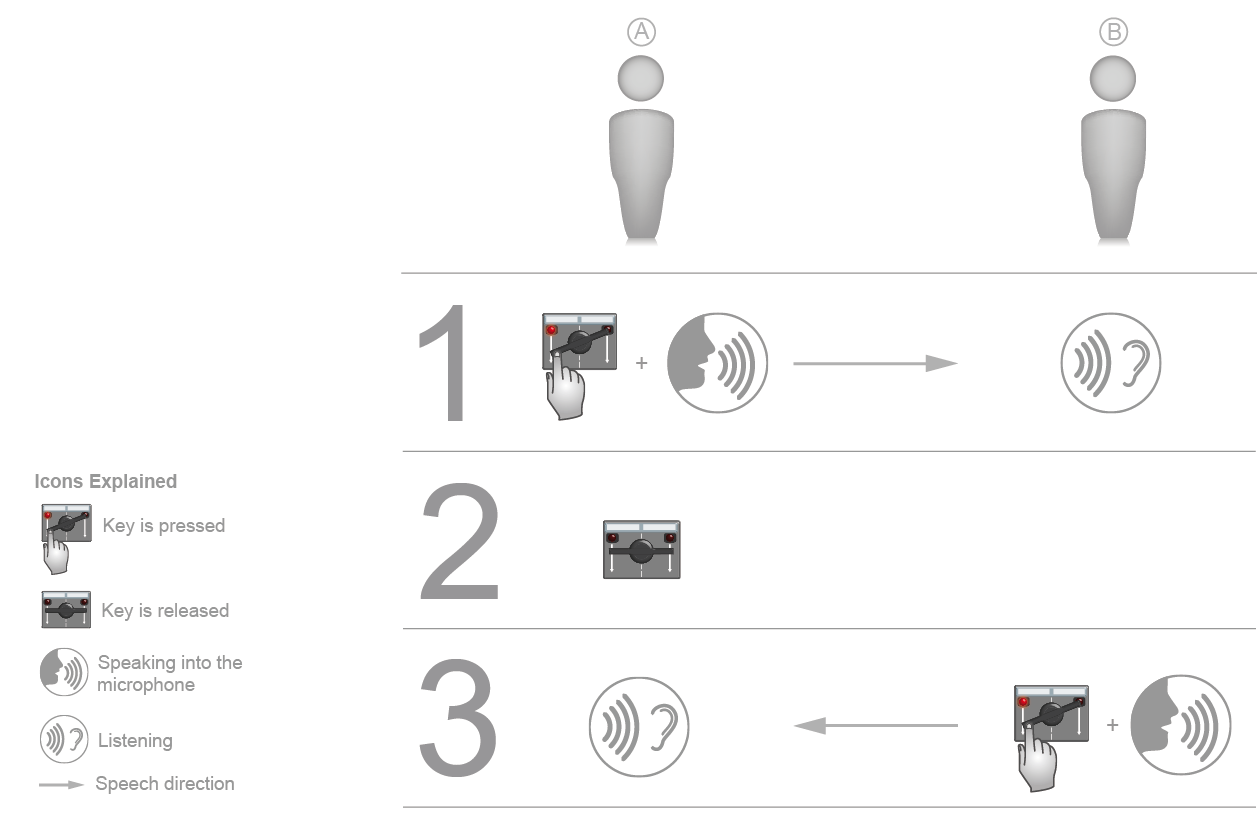
In one of our first blog posts, I gave an introduction to two-way communication, the most common type of voice connection used in Intercom systems (see Intercom and PA/GA). With this blog article, I want to provide more information on two-way communication.

Read more
Intercom and PA/GA

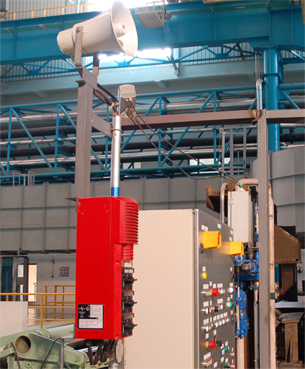
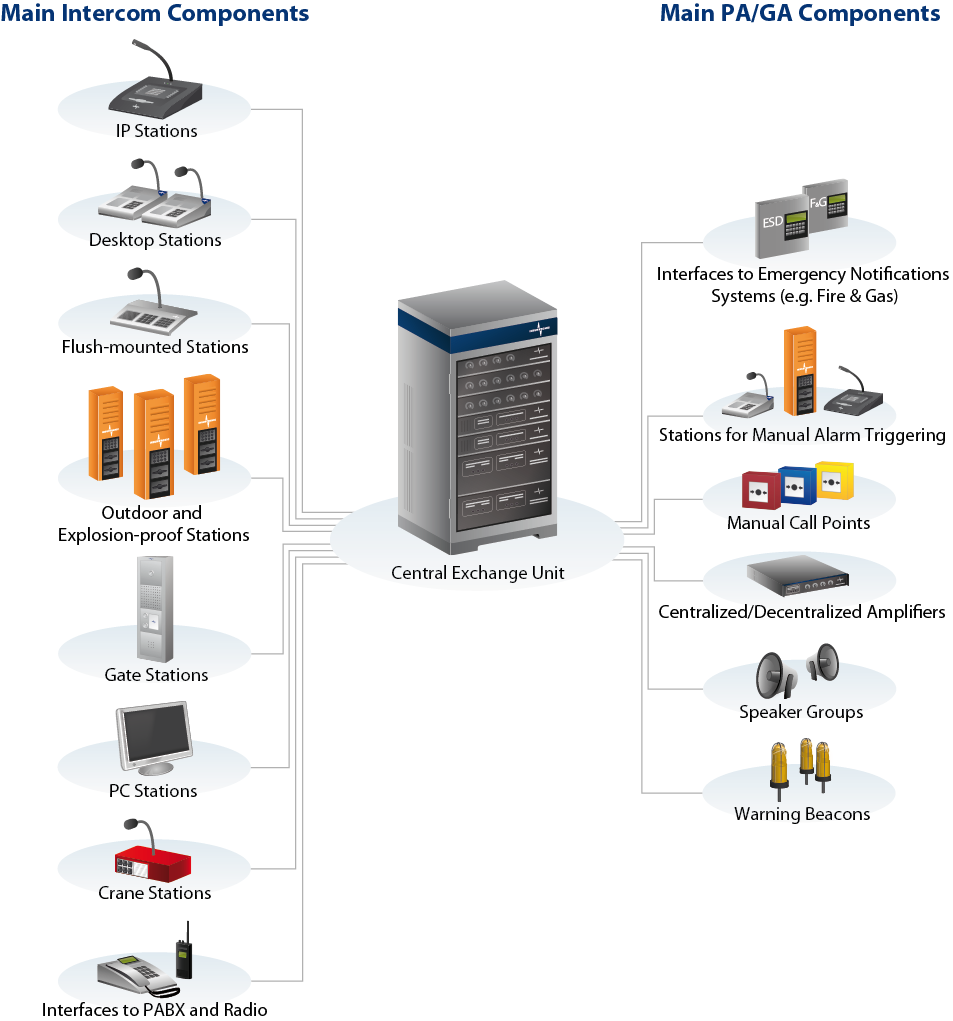
You’ve surely heard of intercom systems and PA/GA systems. But how are they exactly defined? And what are the differences? This article compares both concepts and focuses on the main differences. Intercom Intercom systems are mainly used to support process-related voice communication in industrial environments. You have either a pre-defined subscriber to which you establish […]

Read more
~